
Blog
Types of Saree in India: A Complete Guide with History, Fabrics & Styling Tips

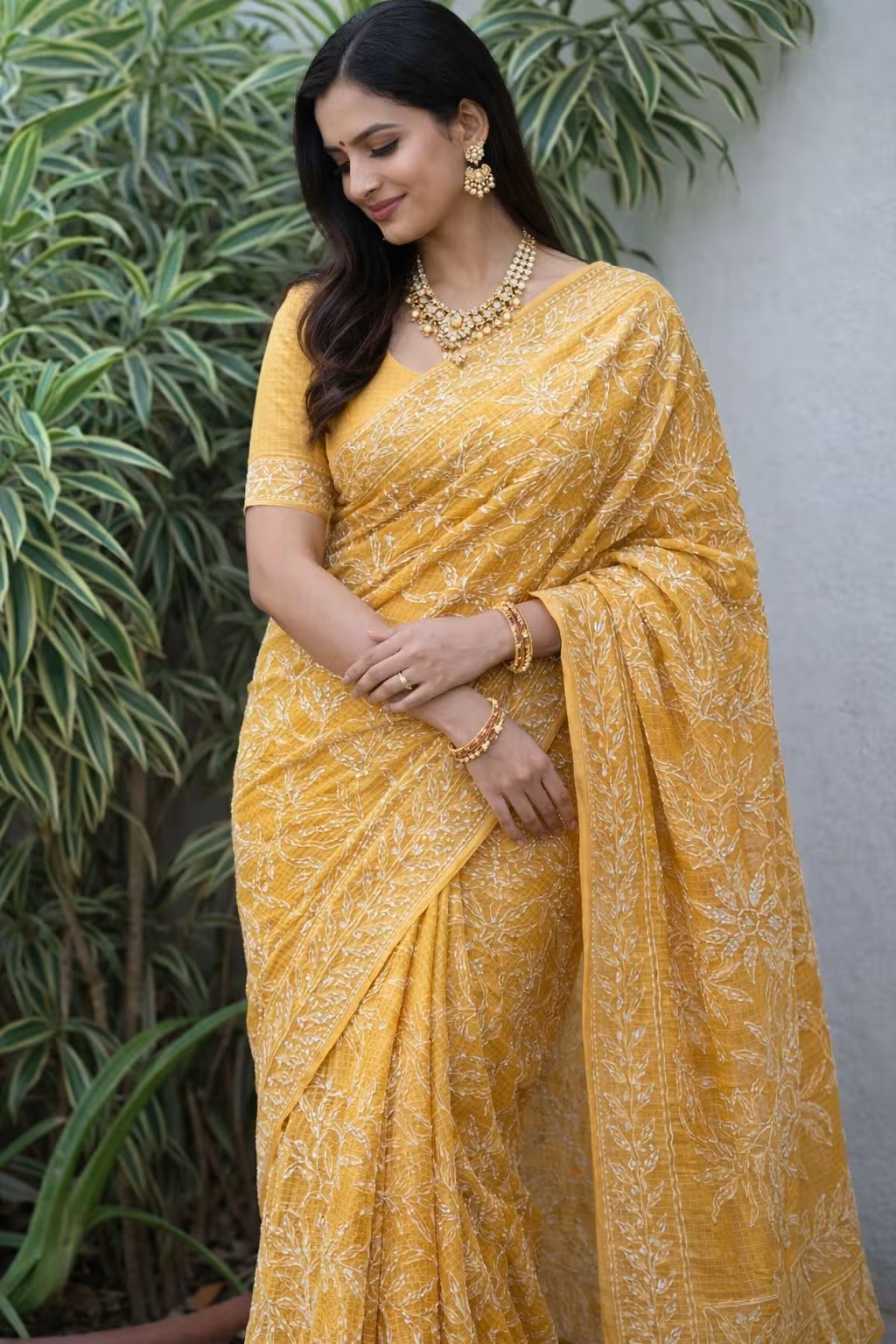
The saree is among the most beautiful and traditional fashions of clothing around the world. It is deeply embedded in Indian practices and the Indian culture. It is a part of all religious traditions or regions, and for special occasions, sarees are offered in a range of styles that depend on the weave technique, locality fabric, as well as trend. From sarees made of silk that are lavish for weddings to light cotton sarees to wear all day long, each Saree has a unique story to tell.
The HTML0 guide is a comprehensive guide, we’ll cover the different type of sarees available all over India and their historical context, the best fabric for them and the most appropriate ways to dress them. This blog is optimized for SEO and is perfect for those who love fashion or own a boutique and are people who shop online.
1. Banarasi Saree
Origin: Varanasi, Uttar Pradesh
Silk Silver and gold infusion silk Zari
Banarasi Saris can be among the most lavish sarees in India. Famous for their beautiful silk fabric and intricate Zari designs, these Saris are a great choice for weddings or other major celebrations. Traditional designs include floral patterns and paisleys and Mughal designs that are inspired by.
Best For: Weddings, bridal wear, festive occasions
2. Kanjeevaram Saree
Origin: Kanchipuram, Tamil Nadu
Material: Pure silk mulberry
Kanjeevaram Saris are famous for their toughness, vibrant colors and striking edge. They are constructed from Silk heavy as well as Zari Saris, which are part of the South Indian tradition and are frequently handed on in the form the heirlooms.
Perfect for: South Indian weddings and temple ceremonies
3. Chiffon Saree
Origin: Modern/Contemporary
Fabric Chiffon (silk or nylon)
Chiffon dresses are thin and soft. They feel easy to put on. They look stunning and are ideal for women who like a an elegant and simple style with a lighter burden.
Perfect for parties informal events, casual parties formal wear
4. Cotton Saree
Origin: Pan-India
Fabric: Cotton
cotton sarees breathe soft and can be worn during the day, particularly in humid and hot temperatures. They are available in a variety of styles, ranging from regional ones, like Sambalpuri, Chanderi cotton, and Bengal cotton sarees.
can be the ideal choice to utilize for casual wear as well as office clothing for the summer months.
5. Chanderi Saree
Origin: Chanderi, Madhya Pradesh
Fabric: Silk-cotton blend
Chanderi Saris renowned for their soft, smooth texture and lustrous design. Traditional designs include peacocks, lotuses along with coin patterns. These sarees offer the perfect blend of style and comfort.
Perfect for festivals and formal gatherings, formal
6. Bandhani Saree
Origin: Gujarat & Rajasthan
Fabrics include cotton or silk
Bandhani Saris can be created by a tie-and dye method which produces vibrant patterns and also designs using dots. They are vibrant and deeply embedded in Indian traditional culture.
Perfect For: traditional functions, festive attire
7. Paithani Saree
Origin: Maharashtra
Fabric Silk that has Zari
Paithani Saris is intricately woven with peacock and lotus designs. They are famous for their vivid pallu designs, as well as vivid shades.
can be perfect in weddings, parties and celebrations of the culture
8. Georgette Saree
Origin: Modern
Fabric: Georgette
Georgette Saris are light and comfortable to carry. They are extremely popular with young women. They’re usually embellished with embroidery, prints or sequins.
Great for: Evening events, birthday parties and other occasions
9. Organza Saree
Source: Fashion of the present
Fabric: Organza silk
Organza sarees look elegant and chic. They’re also trendy. They usually consist of simple floral designs or embroidery and are popular in current fashion.
Best For: Cocktail parties, designer wear
10. Linen Saree
Origin: Modern India
Fabric: Linen
Linen Saris Linen Saris HTML0 are delicate and elegant, which is ideal for women who appreciate elegance and simplicity. They are perfect for formal or semi-formal events.
Ideal for: Office wear, formal occasions
How to Choose the Right Saree
- For Weddings: Banarasi, Kanjeevaram, Paithani
- For Daily Wear: Cotton, Linen
- For Parties: Chiffon, Georgette, Organza
- For Festivals: Bandhani, Chanderi
Frequently Asked Questions (FAQs)
1. Which is the most suitable saree for you to wear in the summer?
Sarees made of linen and cotton are ideal for summer because of their air-tight materials.
2. Which one of the sarees is suitable at wedding ceremonies?
Banarasi, Kanjeevaram and Paithani Sarees are perfect for weddings.
3. Which one of the sarees are the simplest to make?
Chiffon along with and Georgette sarees are simple to tie and maintain.
Conclusion
The diversity of India is evident in the variety of the sarees. Each saree style has its own history of fashion, tradition and class. If you like traditional silk sarees or contemporary drapes that are lightweight, and airy, you can find an dress for any woman for any occasion.
When planning to buy a saree knowing about the various styles will assist you in making the most suitable selection, and also make an attempt to move towards the traditional Indian design.